For Raja Ampat photography tips 2027, focus on advanced underwater techniques, drone perspectives for karst islands, and low-light strategies for jungle wildlife. Prepare for diverse conditions, from sun-drenched reefs to misty rainforests, ensuring your equipment and skills are ready for the region’s unique natural beauty.
Photography Guide to Raja Ampat: Capturing the Beauty in 2027
Raja Ampat, an archipelago in West Papua, Indonesia, continues to draw photographers seeking its natural vistas. As we look towards 2027, the emphasis remains on responsible travel and advanced photographic techniques to truly capture the essence of this biodiverse region. Planning your journey from Hong Kong to this remote paradise requires meticulous preparation, especially concerning your photography gear and approach.
The allure of Raja Ampat lies in its dramatic limestone karsts, verdant islands, and particularly its vibrant marine ecosystems. For those travelling from Hong Kong, understanding the logistical nuances is crucial for a smooth photographic expedition. This guide focuses on equipping you with the knowledge to capture stunning images, from wide-angle reef shots to intimate macro details, ensuring your 2027 visit yields a memorable portfolio.
Understanding Raja Ampat’s Unique Lighting for Photographers
The equatorial sun in Raja Ampat presents distinct photographic challenges and opportunities. Overhead sun between 10 AM and 2 PM can be harsh for above-water shots but provides excellent penetration for underwater photography, illuminating corals and fish with natural light. Early mornings and late afternoons offer softer, warmer light, ideal for landscapes, portraits, and capturing the dramatic silhouettes of the islands. For those focusing on underwater photography Raja Ampat, understanding the sun’s position relative to your subject is paramount for vibrant colours and minimal backscatter. Consider using diffusers or reflectors for land-based subjects to soften harsh shadows during midday.
Essential Gear for Raja Ampat Photography Tips 2027
Your photographic arsenal for Raja Ampat in 2027 should be comprehensive. For underwater work, a reliable camera in a robust housing is non-negotiable. Mirrorless systems are increasingly popular due to their compact size and excellent image quality. Wide-angle lenses (e.g., 16-35mm full-frame equivalent) are essential for reefscapes and large marine life, while a macro lens (e.g., 60mm or 100mm) is vital for capturing the intricate details of nudibranchs, pygmy seahorses, and other small critters. External strobes are crucial for restoring colour and contrast underwater, especially at depth. For above-water photography, a versatile zoom lens (e.g., 24-70mm) and a telephoto lens (e.g., 70-200mm) will cover most scenarios, from landscapes to birdlife. A drone offers aerial perspectives of the karst formations and untouched beaches, providing unique shots of the best photo spots hongkongtorajaampat. Always pack spare batteries, memory cards, and dry bags.
Underwater Photography Raja Ampat: Techniques and Considerations
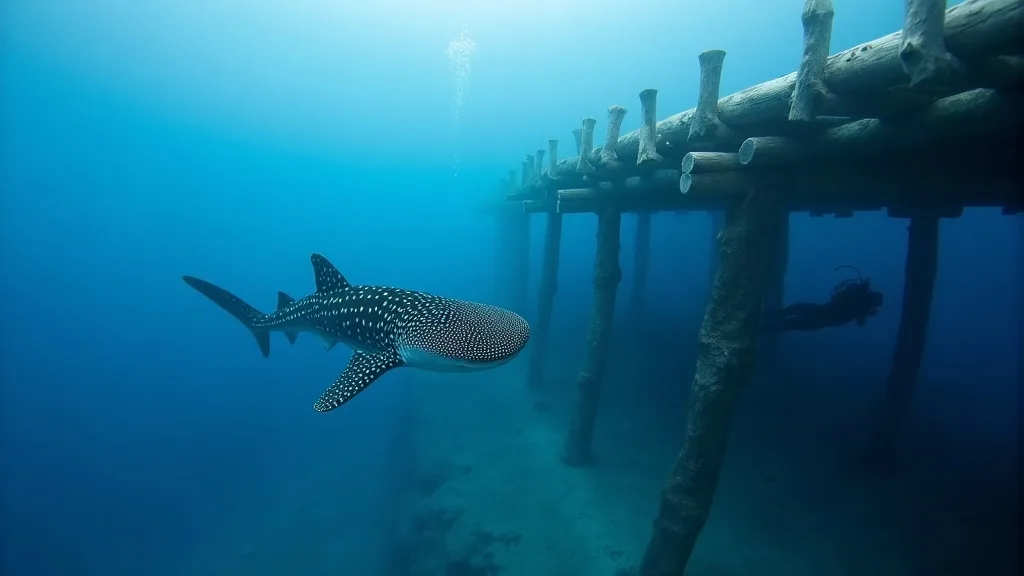
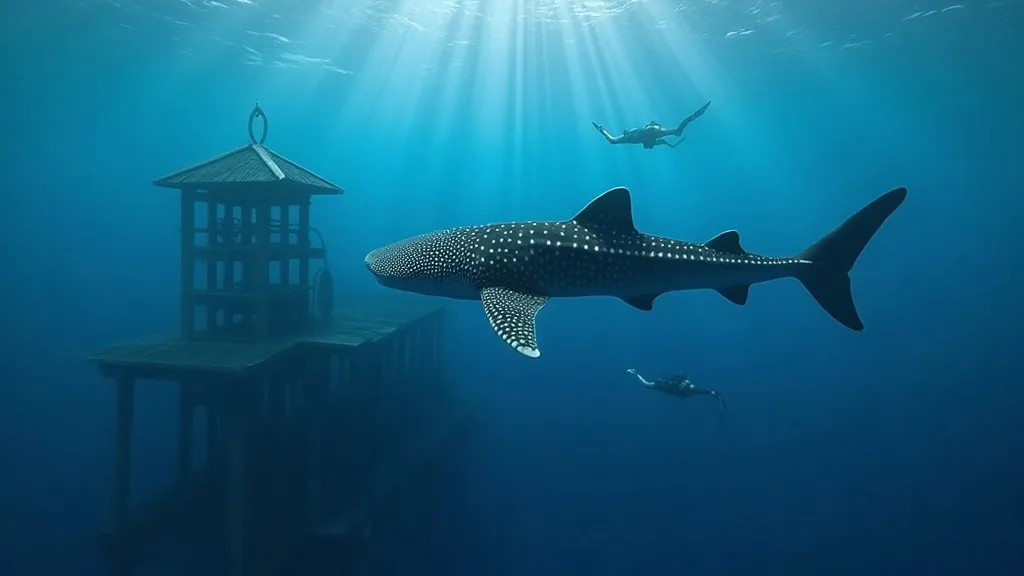
Mastering underwater photography in Raja Ampat requires patience and practice. Buoyancy control is fundamental, allowing you to position yourself without disturbing the reef. When using strobes, experiment with their position to avoid backscatter and achieve even lighting. For wide-angle shots, get close to your subject to reduce the amount of water between your lens and the subject, which improves clarity and colour. For macro, focus stacking can yield incredibly sharp images of tiny subjects. Always respect marine life; do not touch or harass creatures for a photograph. The pristine condition of Raja Ampat’s reefs is a direct result of such respectful interactions.
Consider the unique challenges of travel to Raja Ampat, particularly the boat transfers between islands, which can be bumpy. Ensure all your equipment is securely packed in waterproof cases. When planning your itinerary, factor in dedicated dive days for photography, as rushing can lead to missed opportunities.
| Category | Lens Type | Primary Use |
|---|---|---|
| Underwater | Wide-Angle Fisheye (e.g., 8-15mm) | Reefscapes, large marine life |
| Underwater | Macro (e.g., 60mm, 100mm) | Nudibranchs, pygmy seahorses, small critters |
| Land/Drone | Ultra-Wide (e.g., 14-24mm) | Landscapes, starry nights |
| Land | Mid-Range Zoom (e.g., 24-70mm) | General travel, portraits |
| Land | Telephoto (e.g., 70-200mm) | Wildlife, distant islands |
Best Photo Spots hongkongtorajaampat: Beyond the Water
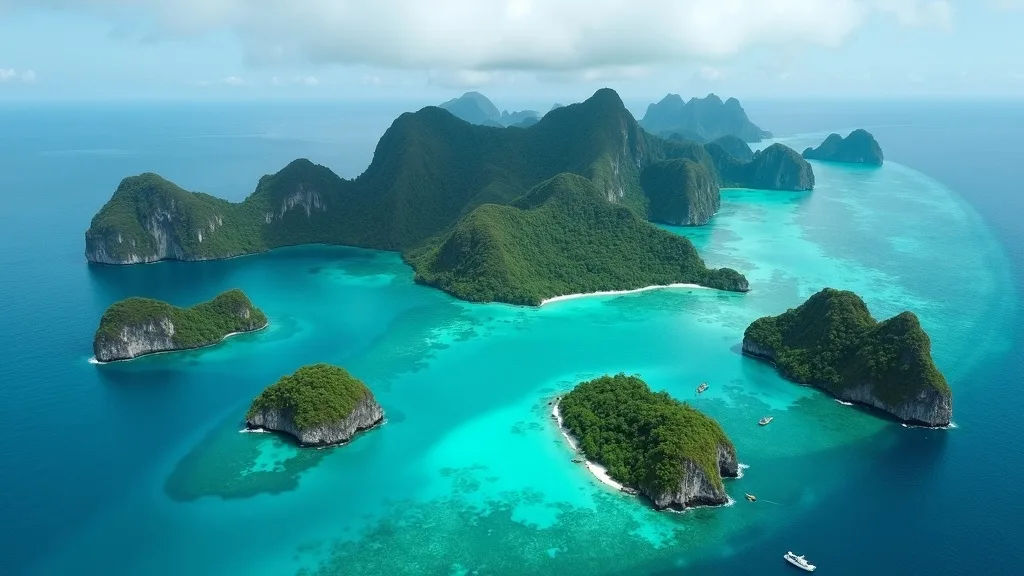
While Raja Ampat is famed for its underwater spectacles, its land-based photography opportunities are equally captivating. Piaynemo offers the iconic viewpoint of mushroom-shaped islands, best photographed during sunrise or sunset from its elevated wooden platforms. Wayag provides a similar, even more dramatic panorama, though the climb is more arduous. Other notable spots include the stunning lagoons of Misool, the pristine beaches of Arborek, and the dense jungles teeming with exotic birds-of-paradise. Drone photography here can capture the intricate patterns of the reef systems and the sheer scale of the karst landscapes. For those considering Raja Ampat honeymoon or family tour packages from Hong Kong for 2027, these scenic viewpoints offer perfect backdrops for memorable holiday photos.
- Piaynemo: Famous for its panoramic vista of small, forested islands. Arrive early for soft morning light.
- Wayag: A more challenging climb, but rewards with an even grander, more expansive view of similar limestone formations.
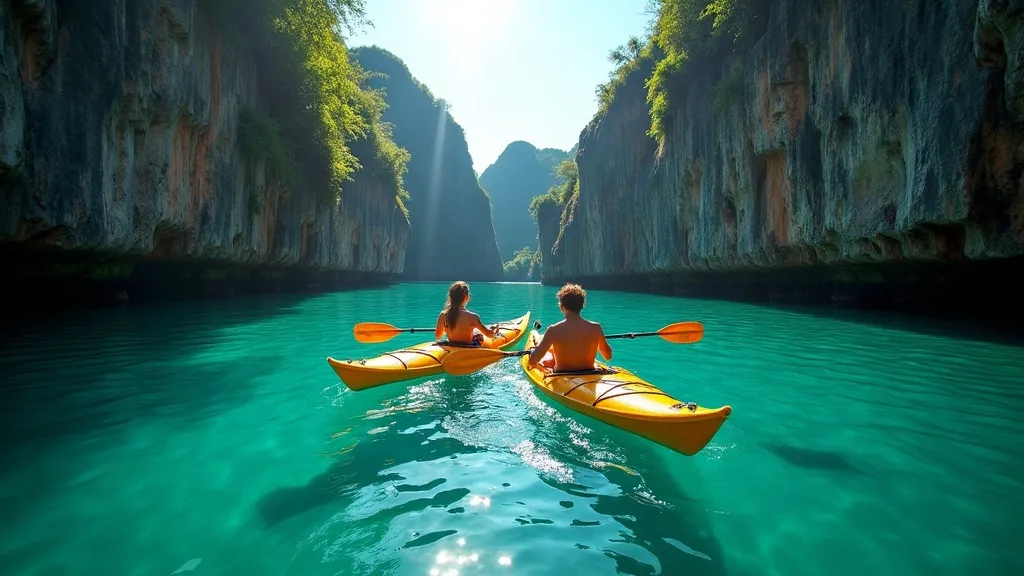
- Misool’s Karst Lagoons: Explore by dinghy for unique perspectives of dramatic cliffs meeting turquoise waters.
- Arborek Jetty: An ideal spot for capturing local life and vibrant underwater scenes directly beneath the pier.
- Birds of Paradise Habitat: Early morning treks on Waigeo or Batanta for elusive bird photography.
2027 Note: Conservation efforts in Raja Ampat are expected to be even more stringent by 2027. Adhere strictly to park regulations, carry out all rubbish, and minimise your environmental footprint. Permitting processes may also be more streamlined, but booking well in advance remains crucial, especially for liveaboard options, which offer the most comprehensive access to diverse photography sites.
Post-Processing and Image Management
After a day of shooting, efficient image management is vital. Back up your photos daily, ideally to multiple drives. Use editing software to correct colour casts, especially common in underwater photography where greens and blues can dominate. Adjust exposure, contrast, and sharpness to bring out the vibrancy of Raja Ampat’s colours. For underwater shots, careful white balance adjustments are key to restoring the true colours of the reef. Consider local workshops or online tutorials to refine your post-processing skills, ensuring your images truly reflect the beauty you witnessed.
FAQ
What are the best photography spots in hongkongtorajaampat, especially underwater, for 2027?
For underwater photography in Raja Ampat in 2027, top spots include ‘The Passage’ between Gam and Waigeo for unique light and reef composition, ‘Cape Kri’ for its exceptional fish diversity and vibrant corals, and ‘Fam Islands’ for both stunning reefscapes and the iconic Piaynemo viewpoint. Above water, the panoramic view from Piaynemo remains a favourite, alongside the more challenging but rewarding climb at Wayag for expansive karst island vistas.
What specific equipment is recommended for drone photography in Raja Ampat?
For drone photography in Raja Ampat, a compact, reliable drone like the DJI Mavic series (e.g., Mavic 3 Pro or a 2027 equivalent) is highly recommended due to its portability and image quality. Ensure you have multiple batteries (at least 3-4), ND filters to manage the bright equatorial sun, and a robust waterproof case for transport between islands. Always check local drone regulations and obtain necessary permits before flying.
How can I best prepare my photography gear for Raja Ampat’s humid and saltwater environment?
To prepare your photography gear for Raja Ampat’s humid and saltwater environment, invest in high-quality dry bags and Pelican-style hard cases for transport. Use desiccant packs in your camera bags and housing to combat humidity. Regularly clean your equipment with fresh water after exposure to salt spray, paying close attention to lens elements and housing O-rings. Carry spare O-rings and silicone grease, and perform daily checks on your underwater housing seals.