Raja Ampat continues to be a global marine biodiversity hotspot in 2027, offering divers an opportunity to encounter an astonishing array of species. From pygmy seahorses and vibrant nudibranchs to majestic manta rays and reef sharks, the region’s coral reefs teem with life, promising truly memorable underwater experiences for those travelling from Hong Kong.
For discerning divers planning their 2027 expeditions from Hong Kong, understanding the rich marine ecosystems of Raja Ampat is crucial. This guide provides an up-to-date overview of what to expect beneath the waves, focusing on the biodiversity that defines this Indonesian archipelago.
Raja Ampat Marine Life 2027: A Closer Look
Raja Ampat’s unique geographical position at the heart of the Coral Triangle ensures an extraordinary concentration of marine species. Scientists continue to discover new species here, reinforcing its status as the most biodiverse marine region on Earth. Divers in 2027 can anticipate encounters with:
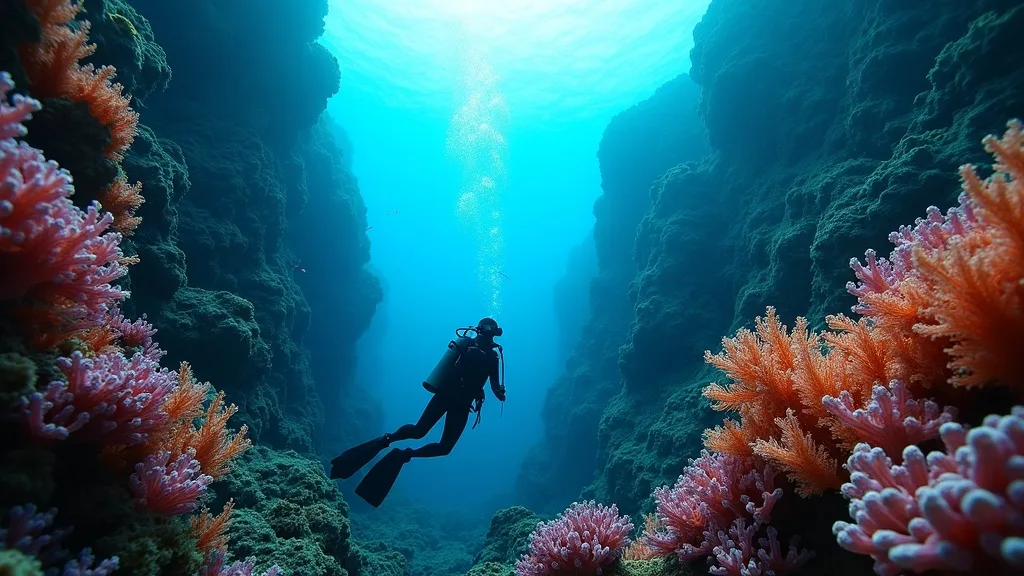
- Coral Species: Over 75% of all known coral species, including vibrant hard and soft corals, forming extensive and healthy reef systems.
- Fish Species: More than 1,500 species of reef fish, from schooling barracudas and trevallies to colourful angelfish and butterflyfish.
- Macro Life: A paradise for macro photographers, with numerous species of pygmy seahorses (Bargibant’s, Denise’s), nudibranchs, pipefish, and various crustaceans.
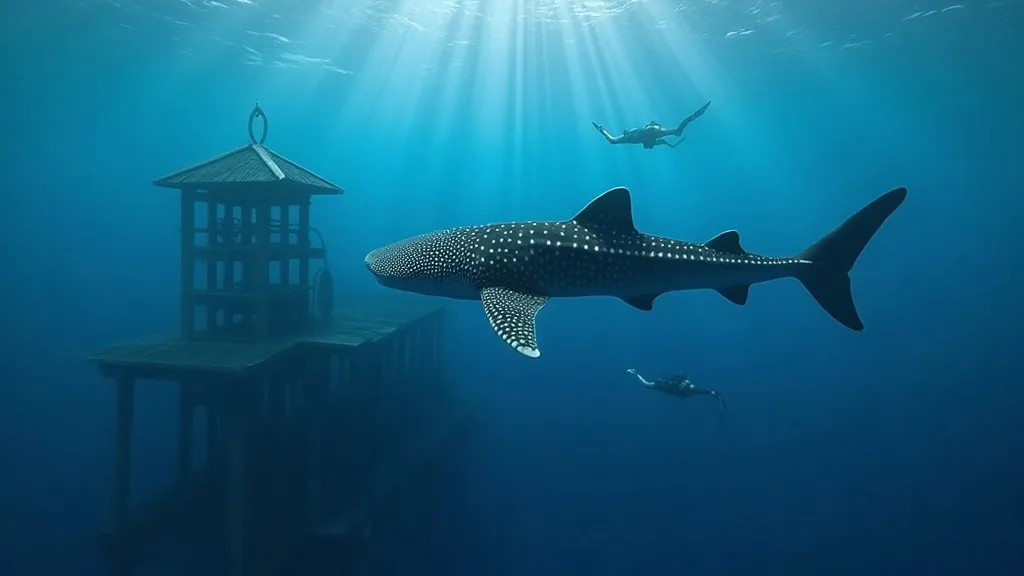
- Pelagic Species: Frequent sightings of manta rays (both oceanic and reef mantas), various shark species (including wobbegongs, blacktip, whitetip, and sometimes even hammerheads), and occasional whale sharks.
- Reptiles and Mammals: Sea turtles (green, hawksbill, leatherback, olive ridley) are common, and various marine mammals, such as dolphins and dugongs, can be spotted.
The health of these ecosystems remains a priority for local conservation efforts, ensuring that divers in 2027 will continue to experience pristine conditions.
Best Raja Ampat Dive Sites for 2027 Encounters
While every dive in Raja Ampat offers something special, certain sites consistently deliver exceptional marine life experiences. For those organising their Hong Kong to Raja Ampat itinerary, consider these renowned locations:
| Dive Site | Key Marine Life Expected | Best for |
|---|---|---|
| Cape Kri | Record-breaking fish diversity, reef sharks, barracudas, schooling fish | Biodiversity, strong currents for experienced divers |
| Manta Sandy | Manta rays (cleaning station) | Manta ray encounters |
| Blue Magic | Manta rays, reef sharks, schooling trevallies, wobbegong sharks | Pelagic action, experienced divers |
| Melissa’s Garden | Pristine hard coral gardens, pygmy seahorses, diverse reef fish | Coral enthusiasts, macro photography |
| The Passage | Unique channel dive, macro life, wobbegongs, strong currents | Unique topography, macro, experienced divers |
These sites are often included in liveaboard itineraries and day trips from resort bases, ensuring comprehensive coverage of the region’s diverse offerings. Many travellers find detailed Raja Ampat tour packages from Hong Kong for 2027 beneficial for planning.
hongkongtorajaampat Snorkeling Spots: Surface Wonders
Even without full dive gear, the marine life visible from the surface in Raja Ampat is astounding. Snorkellers can enjoy vibrant coral gardens and a plethora of reef fish in relatively shallow, calm waters. Key areas for exceptional snorkelling include:
- Piaynemo: Beyond its iconic viewpoints, the lagoons around Piaynemo offer superb snorkelling with healthy corals and abundant fish.
- Wayag: The sheltered bays of Wayag are ideal for snorkelling, providing clear waters and opportunities to see juvenile reef sharks and colourful corals.
- Arborek Island Jetty: A famous spot where large schools of fish congregate directly under the jetty, accessible for all skill levels.
- Friwen Wall: Parts of this site are shallow enough for snorkellers to appreciate the wall’s vibrant life from above.
These locations offer a fantastic introduction to Raja Ampat’s marine biodiversity for those who prefer staying closer to the surface. For more specific travel advice, refer to our main site at hongkongtorajaampat.
Conservation and Responsible Diving in 2027
The pristine condition of Raja Ampat’s marine environment is a direct result of ongoing conservation efforts. As a diver or snorkeller in 2027, adherence to responsible tourism practices is paramount:
- Maintain neutral buoyancy and avoid contact with corals.
- Do not touch, feed, or harass marine life.
- Refrain from taking anything from the marine environment.
- Support local communities and conservation initiatives.
- Choose operators committed to sustainable practices.
Your contribution to preserving this natural wonder ensures that future generations, including those planning their Raja Ampat family tour packages from Hong Kong in 2027, can experience its magic.
2027 Note
As of 2027, Raja Ampat continues its commitment to sustainable tourism, with increased focus on visitor management and marine protected area enforcement. Divers should note potential advancements in eco-friendly dive gear and digital marine life identification tools enhancing the underwater experience. Booking well in advance is advisable, especially for peak season travel from Hong Kong, as demand remains high for this unique destination.
FAQ
What marine life can I expect to see diving in hongkongtorajaampat in 2027?
In 2027, diving in Raja Ampat from Hong Kong will offer encounters with over 1,500 fish species, 75% of the world’s coral species, pygmy seahorses, various nudibranchs, manta rays, reef sharks, and sea turtles, all within a remarkably healthy and diverse marine ecosystem.
Are there any specific regulations for diving in Raja Ampat in 2027?
Yes, in 2027, all divers entering Raja Ampat are required to purchase a Marine Protected Area (MPA) permit, known as the ‘Raja Ampat Marine Park Entry Tag’. This fee directly supports conservation efforts. Additionally, strict guidelines regarding no-touch policies, maintaining buoyancy, and respecting marine life are enforced to protect the delicate ecosystem.
What is the best time of year to see specific marine life like manta rays in Raja Ampat in 2027?
While manta rays can be seen year-round, the peak season for manta ray sightings in Raja Ampat is generally from October to April. During these months, the waters are typically calmer, and the plankton blooms attract larger numbers of these majestic creatures to cleaning stations such as Manta Sandy and Blue Magic, making it an ideal time for planning your 2027 trip from Hong Kong.